

The Canvas Work Jacket
It has crossed the West in every season, faded at the shoulders, marked by sparks, still stiff in the cold.
The canvas work jacket hangs from the hook behind the driver's seat, swaying when the truck rolls. It is cotton duck, double-thick through the shoulders, with a corduroy collar and brass snaps tarnished to a dull brown. The right front pocket holds the keys—ignition, padlock, toolbox—and the left pocket is empty, its lip worn to a soft fringe.
It was bought for work, new and boxy, and the years are written in the cloth. The shoulders have faded in the sun until they are paler than the rest of the jacket, while the cloth under the arms and at the sides keeps the older, deeper colour. A pack strap has crossed the back below the yoke and worn a hand-sized spot to a shine. On the left cuff a campfire spark left a round burn; the threads around the burned hole have darkened and stiffened, and the edge of the hole is finished with a black rim. The right sleeve is stiffened at the cuff where a hand has wiped across it, the threads packed flat and darker than the cloth around them.

In the cold the jacket changes. Lifted off the hook at first light, it stands open by itself before the sleeves fold; the elbows creak when the arms bend. It does not soften through the day. The cloth resists the reach of the driver across the cab, and the shoulders keep their shape even after hours of wear, so the jacket is never quite comfortable until the driver has stopped moving and let the heat of the cab settle into the canvas.

The trip has an order. Keys come out of the right pocket first. The arm goes in, the collar is turned up for the first mile, then turned down when the cab warms. Down the front, only the lower snap moves; the upper snaps stay fastened, their brass gone dark against the placket. The pocket is worn into a rounded bag at the bottom; from the outside, through the canvas, the shape of the ignition key is visible. At the end of the road the key goes back to the pocket, the jacket goes back on the hook, and the weight of the keys pulls the right side of the hem lower than the left.

It has been on every trip: the short ones to the end of the valley, the long ones across the country. The wet air of the north Pacific coast swells the canvas and raises the seams. The dry heat of the Great Basin cracks it in pale lines at the cuffs and elbows. Between those places, on the long roads, it rides folded in the passenger seat or bunched under a bag, and when the afternoon turned warm it hung over the gearshift, sleeves swinging together at each curve.
The collar is smooth at the nape. The sleeve ends are frayed. The burn on the left cuff has cracked along its edges. Where the topstitching crosses the right shoulder seam, the thread is worn through, and the grey lining shows.
From the shop
Picked for this story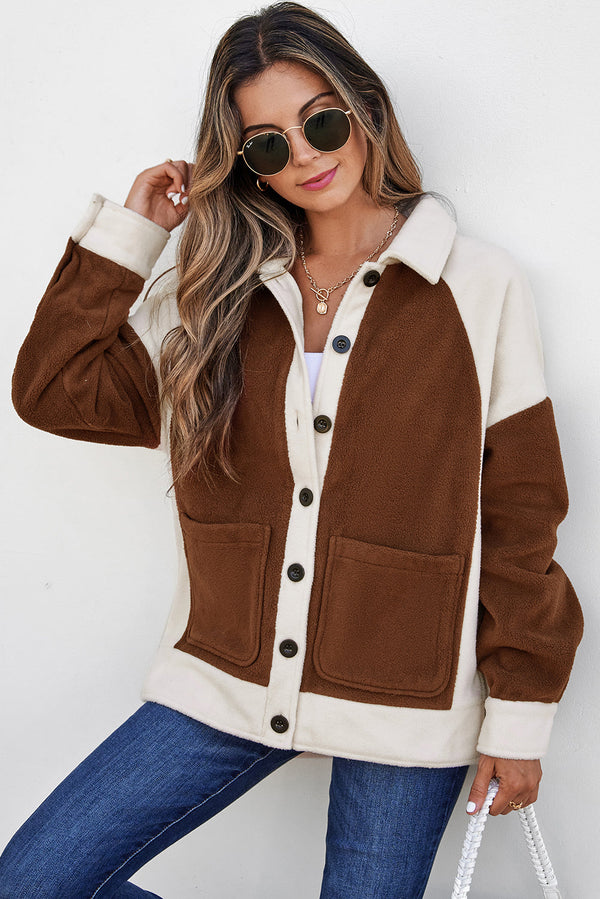
Colorblock Fleece Patchwork Button Down Shacket
$28.87
Plaid Eyelet Lace Trim Buttoned Long Sleeve Shirt
$22.12
Denim High Waist Distressed Straight Leg Jeans
$27.78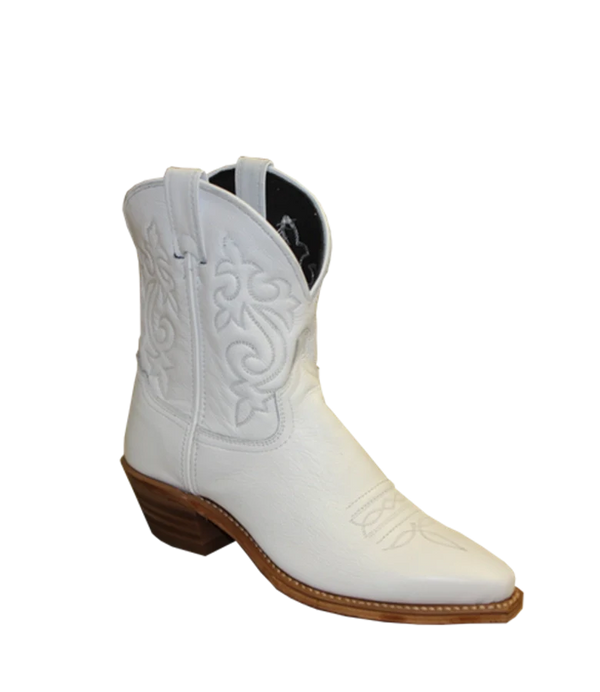
Abilene Daisy Leather Cowgirl Boots in White
$238.99
Plated Hat
$35.00
Stripe Top and Pants Set
$24.95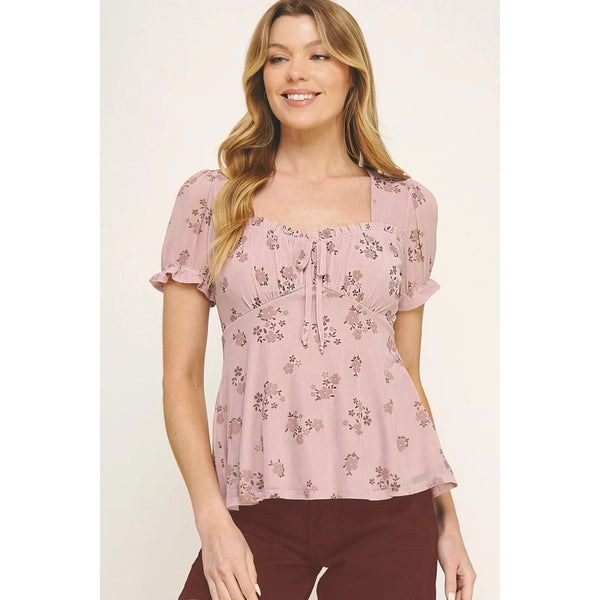
Lily Star Romantic Ruffled Sleeve Peplum Top
$26.99
Ruffle Trim Patchwork Pullover and Shorts Set
$26.76Read next
More from On the Road
The High Desert Keeps Its Own Hours
In the high desert, light marks the hours and winter marks the year, and clocks are only a suggestion.

The Ninth-Day Laundromat
Nine days in, a wash in a small town breaks the trip in two.

A Campfire, Put Out Cold
A campfire in the West is finished only when the ash can be sifted bare-handed.