

The Ninth-Day Laundromat
Nine days in, a wash in a small town breaks the trip in two.
The change machine stands beside the door, and it takes some dollar bills and not others. The smooth ones disappear with a click and a thump. The folded ones come back out of the slot, as if it has decided they were not traveling money. A woman with a truck full of camp gear feeds it a five, then a one, and waits while it clicks through its own hesitation.
Inside, the laundromat smells of hot cotton and the gray soap powder that still comes in cardboard boxes. The dryers are running. The air is heavier than the air outside, and the windows are wet at the bottom where the steam has gone to glass.
On the ninth day of a trip, the clothes stop being a pile in a duffel and become a problem. This is where the problem gets solved.
The Room
The washers run along two walls. One row is older, with silver knobs and a thump when the cycle shifts; the newer row takes the same quarters and lights up when it is full. The older machines just run. The floor is the color of the desert outside, a tan that never quite reads as clean, though someone has swept the lint from the corners into a small gray drift.

The chairs are plastic and one of them is held together with tape. A man sits on the good one with his back to the window, staring at his boots. He has no laundry in any of the machines. He has a cup of coffee and nowhere the coffee is going. This too is part of the room.
On the table by the window, a woman folds a sheet the way people fold things in public places — quickly, to get it over with, her elbows high and her eyes fixed on the crease. She gets the two edges even, gives the fold one sharp snap, and stacks it on a basket. It is the only precise thing happening on the street.
The Change Machine
It is a gray metal box with a face made of buttons. A sign on it advises clean bills only, but most people try anyway. The ones that work are the ones that have been kept flat in a cash drawer, crisp at the edges. The ones that have been in a back pocket for three states come out the same way they went in.
The machine gives quarters in a metal lip. They make a sound like a handful of gravel hitting a tin roof. Then the sound is gone and there is a pause before the next bill is fed. The pause is not mechanical. It is the traveler making the decision about how many loads this wash is worth.
Somewhere past the change machine, a dryer ends with a chime. A man gets up from the repaired chair and pulls a nest of work shirts out of the drum. He counts them by feel before he looks at them. The blue one is still damp at the collar. He puts it back in and feeds the machine two more quarters. The dryer resumes with a sound like a faraway engine.

The Bulletin Board
Behind the change machine, on the wall above the pay phone that no one uses, there is a bulletin board. It is three layers deep in places. Old flyers for rodeos and church suppers have gone the color of the floor. A card with a phone number under the word "puppies" curls at the corners. A handwritten notice for a lost cat has lost most of its ink and all of its hope.
The newest thing on the board is a missing hubcap, one line of text and a phone number in pencil. It is the most honest thing posted here. Every other card asks for something or offers something, and the hubcap just admits what happened on the washboard road.
No one looks at the board. Everyone stands near it while their clothes go around, because it is the warmest place in the room. The dryers vent into the wall behind it, and the heat comes off the cork in a slow wave. The man who came in after the coffee drinker reads the lost cat notice. He does not write down the number. He reads it like a headline from somewhere he used to live.
On the ninth day of a trip, a bulletin board in a laundromat is the closest thing to a town paper. It does not tell you what is happening now. It tells you what was happening when whoever pinned the card up had still expected someone to find it.
The Fold
The woman with the truck pulls her clothes out of the dryer in armfuls, the heat going before her. A flannel shirt comes out with the sleeves still holding their shape, as if it is about to put itself on. She shakes each piece once, hard, and lays it on the hood of the truck.

The hood is dust-colored and cool. For a moment the clean shirt looks whiter than everything around it, whiter than the sky, whiter than the road. She folds with the flat of her hand, pressing a crease into each sleeve. The road dust has settled on the truck so that her fingers leave lines in it. When she picks up a towel, she wipes a circle on the hood with the clean side, then folds the towel into that circle and sets it on the stack.
The back of the truck already has a system: a food box, a water jug, a cooler, a bag of clothes that has been in the same place for three days. The clean stack goes on top of the bag. The flannel shirt goes on the seat, to be put on in the morning when the temperature drops. She leans into the truck to smooth the seat cover, then shuts the door with a sound that means the day is done.
The laundromat light goes off behind her. The change machine keeps its quarters. The bulletin board keeps its cards. Nothing about the town has asked her to stay, and nothing has asked her to hurry. The road bends past the gas station and out toward the high desert, and the clean clothes ride on the passenger seat like a small proof that the trip will go on.
Nine days had turned the shirts into the smell of the road. One wash turned them back into what they were for. The truck smells like tidewater and fabric softener and the particular idiot hope of a trip that still has distance in it.
From the shop
Picked for this story
Stripe Colorblock V-Neck Sweater T-Shirt
$14.41
Star Patchwork Mineral Wash Kangaroo Pocket Hoodie
$28.81
Denim Raw Hem Straight Leg Jeans
$28.04
Deadwood Trading Faithful Heart Belt Buckle
$24.00
Textured Long Sleeve Top and Drawstring Shorts Set
$20.18
Decoy Polar Edition Sunglasses
$169.00
Floral Shirred Square Neck Maxi Dress
$30.00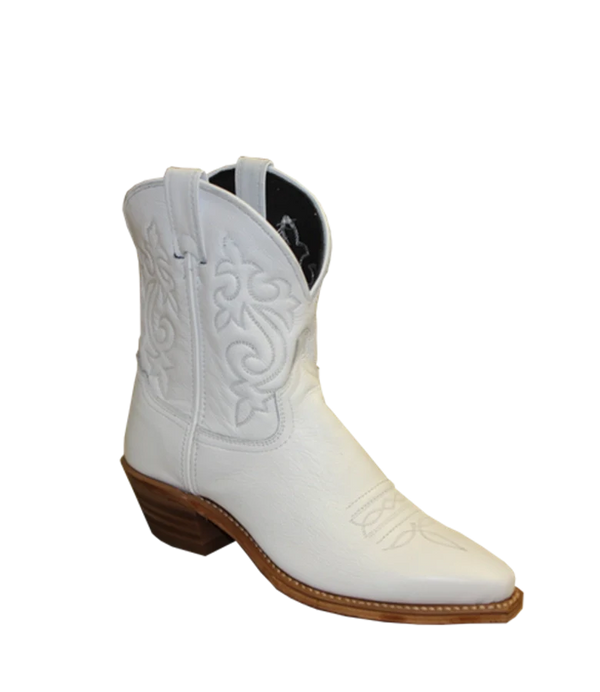
Abilene Daisy Leather Cowgirl Boots in White
$238.99Read next
More from On the Road
A Campfire, Put Out Cold
A campfire in the West is finished only when the ash can be sifted bare-handed.

The Boots on the Passenger-Side Floor
The boots ride on the passenger-side floor of the truck, carrying dust from three states and the smell of the work they are put to.

The Gravel Turnout at the Top of the Grade
At the top of the grade the wind is waiting, and the whole basin rolls out below with the road still warm under the tires.