

A Campfire, Put Out Cold
A campfire in the West is finished only when the ash can be sifted bare-handed.
The campfire is built in a ring of stones and drowned until it is cold enough to touch. On the sage flats of the Great Basin, where the wind comes down off the mountains at dusk, the ring sits in the dirt where a dozen rings have sat before. Whoever has the job carries a shovel and a water bucket, and works as the light goes.
The ring
The ring is not a decoration. It is a stove wall and a boundary. On ground that is mostly rock and dry grass, the ring keeps the fire from running. The spot is picked below the ridgeline, out from under the juniper, where the wind does not funnel. A circle is cleared down to mineral earth with the side of a boot or the back of a shovel. The stones go in a loose circle, each one set so it does not rock. A stone that rocks is reset or thrown aside. When the ring is finished, a hand can sweep the dirt inside it and bring up no root, no grass, no duff.
The bed
The bed is the floor of the fire. It is laid with split wood, dry, no thicker than a wrist. The pieces are set parallel, with a finger of air between them, not crossed like a cabin. Crossed wood burns fast and falls apart. The bed wants to hold a coal in one place and draw air up through it. When the first match goes in, the bed should already look like a floor, not a pile.

Tinder and kindling
Tinder goes in the center: dead grass, cedar bark, the dry inner shreds of a juniper branch. In the high desert it is the fine red bark of the juniper that catches first, lifting into a flame that does not smoke long. Kindling is laid over the tinder in a cone, first pieces no thicker than a pencil, then pieces as thick as a finger. The cone is built open on the upwind side. It should catch from one match; if it needs two, the cone is too tight.
The light
The match is struck on the upwind side and dropped into the tinder. The flame goes into the dry bark and the cone draws it up. Whoever has the job watches the first column of smoke lean with the wind and straighten as the kindling catches. A fire that starts right burns clean within a minute, with no black smoke. If the smoke is black, the wood was wet or the cone too tight.
Feeding
Wood is added only after the kindling has fallen into coals. Each piece is laid on from the side, not dropped from above; dropping scatters ash and snuffs the small flames. The first real pieces are wrist-thick, laid parallel on the bed. As the fire settles, the pieces go on end, leaning against each other like a tripod, so the air can reach the coals underneath. The fire is fed like an animal, a little at a time, and never by covering the whole bed.

The drown
When the last cup of coffee is empty and the chairs push back, the drown begins. Water is poured on from the edge of the ring, not thrown across the fire. A stream from the bucket, slow, until the coals hiss and the hiss goes out. A drowned fire has no flame, no glow, no steam rising in the wind. The water is poured until the sound changes from a hiss to a soak.
The stir
The shovel comes into the ring. The wet mass is turned over, lifted, and scraped out of the cracks between the stones. Every coal that was underneath has to come to the top. The firebuilder stirs until the sound is no longer water hitting coal but water hitting wet ground. Then more water, and another stir. The black pieces are broken against the shovel and turned again. No coal is left whole.
The touch
The last test is the back of the hand. The hand is held over the ring first; then the back is pressed flat into the ash. If the ash is warm, it gets another bucket and another stir. The fire is out cold only when the ash can be sifted in the palm. The campfire lies in the ring as flat grey ash, and the stones around it have gone the colour of the dirt.
From the shop
Picked for this story
Short Sleeve Crew Neck Knotted Camo Print Mesh Mesh Top
$13.99
Plaid Contrast Stripe Edge Half-Placket Blouse
$15.02
Western Aztec Colorblock Patchwork Drawstring Hooded Shacket
$27.88
Solid Mineral Wash Jogger Style Pants
$32.87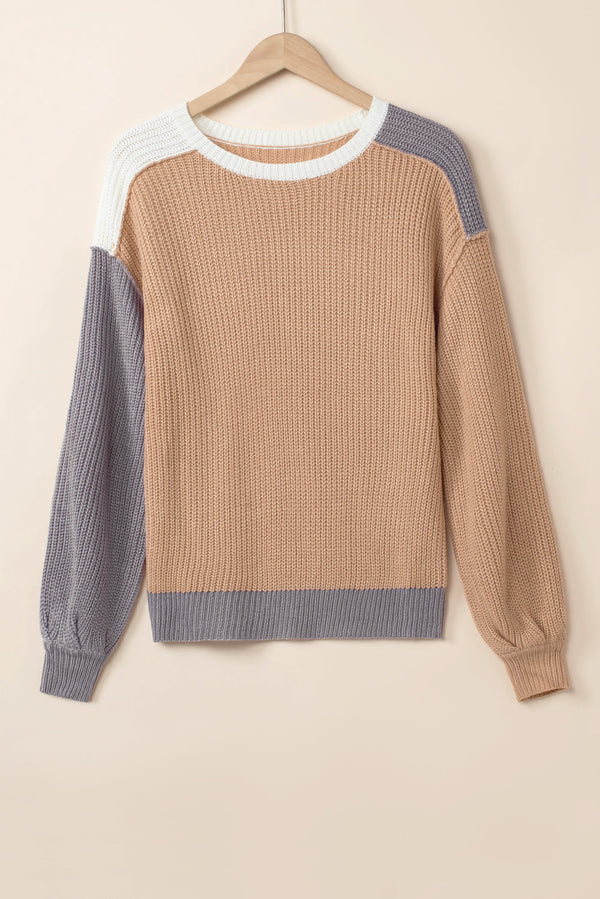
Colorblock Patchwork Round Neck Sweater
$18.84
Plaid Colorblock Patchwork Snap Buttoned Shacket
$27.53
Laredo Dragonfly Leather Cowgirl Boots
$192.99
Solid Fleece Zip-Up Drawstring Pocketed Hooded Jacket
$30.35Read next
More from On the Road
The Boots on the Passenger-Side Floor
The boots ride on the passenger-side floor of the truck, carrying dust from three states and the smell of the work they are put to.

The Gravel Turnout at the Top of the Grade
At the top of the grade the wind is waiting, and the whole basin rolls out below with the road still warm under the tires.

Six A.M. at the Two-Lane Diner
Before first light the gravel lot fills with ranch trucks, the coffee arrives without being asked, and the only stranger at the counter is the one the waitress doesn't know.