

The Gravel Turnout at the Top of the Grade
At the top of the grade the wind is waiting, and the whole basin rolls out below with the road still warm under the tires.
Wind comes over the crest in a steady push, the way it has all afternoon, colder in the shade of the mountain and warm where the sun is still on the rock. The air is thin and dry, the sky a harder blue than the haze over the basin, and the whole western horizon is layered with dust and light. The wind smells of dry grass, of gravel, of cold stone that has not been warm since morning.
The turnout is a wide scrape of gravel cut into the slope where the grade finally levels off, big enough for half a dozen rigs and worn at the edge where tires have been. The truck rolls onto it, rocks once on its springs, and the engine is shut off. For a moment the only sounds are the tick of cooling metal — a small, rapid clock — and the wind moaning along the undercarriage. The brakes give up a thin hot smell, and the wind takes it away almost immediately.
The doors take a moment. The wind leans against them, and the first person out holds the edge, steps sideways, and lets the door pull at the arm. The rest of the people follow, pulling coats tight where the wind has already found the openings. A hat leaves a head and goes skittering across the gravel, chased and caught against a post. The wind empties the warm air out of the cab in seconds and fills the space with the colder air of the crest.

The edge of the turnout is where everyone goes.
The basin below
The high desert of the Great Basin opens out all at once, sage-colored at the near edge and fading to blue where the far ranges stand. Dry lake beds throw back a white glare. Long shadows of clouds move across the floor in slow formation, each one pouring over a range, crossing the flat, and climbing the next wall.
The road they came up is drawn on the slope below, a pale line folded back on itself in switchbacks, cut into the face. It runs down the last of the grade, straightens, and crosses the basin floor — dark where it has been newly oiled, light where the sun catches the dust — until the distance thins it to a thread and loses it among the far ranges. From the turnout the whole day's drive is visible at once: the climb, the valley, the next climb beyond.

People stand at the edge with their hands in their pockets. A woman in a windbreaker points at something far out, and the man beside her looks where she points, and neither of them says anything. The wind takes a ribbon of cigarette smoke and lays it flat along the gravel.
The sound below comes up in pieces. The wind, dropping into the basin, thins to a low hum. A truck climbs the grade out of sight, its engine arriving in waves — tightening on the downshifts, loosening on the bends — and the hot smell of its brakes hangs in the air a moment after the sound is gone.
The map on the hood
On the hood of the truck a map is spread, and the wind works at it without rest. The corners lift and flap, and there is always something holding them down — a water bottle, a glove, an elbow, a fist with the sleeve pulled over it. The paper is soft, creased along old folds, and pale where the fold has worn through. It has been opened and refolded in a dozen turnouts just like this one, held down against a dozen winds.
Whoever is driving smooths it flat and studies it. A finger moves slowly along the line of the road, stops where other lines cross it, moves on. The map shows the country the way the view does — from above, all at once — but smaller, and the wind cannot decide whether to take it. The two keep matching themselves to each other: a finger on the paper, then an eye on the basin; a range on the map, then the same range standing blue in the distance.

The map has a coffee ring from a morning stop, and one corner is creased and frayed. It is older than the trip. The fold lines have gone soft the way leather goes soft, and at the center a crease has started to tear. It will make the drive home, too, and the one after that.
A man takes the map by two corners and turns it, lining the road on the paper up with the road in the basin, north to north. For a moment the two agree. Then the wind catches the edge he is not holding, and he puts his hand back down.
The map is folded again along its old creases and put back on the seat. Doors close against the wind, one after another, the sounds small in all that open space. The truck rolls off the gravel, and the wind holds the turnout for the next one. Later, when the next engine ticks and cools, the basin will be down there, and the road will be drawn across it, and the map on the hood will be the same kind of map, tracing the same kind of line.
From the shop
Picked for this story
Textured Zip-Up Collared Faux Leather Jacket
$28.55
Outlaw Yellow Fin Sunglasses
$239.00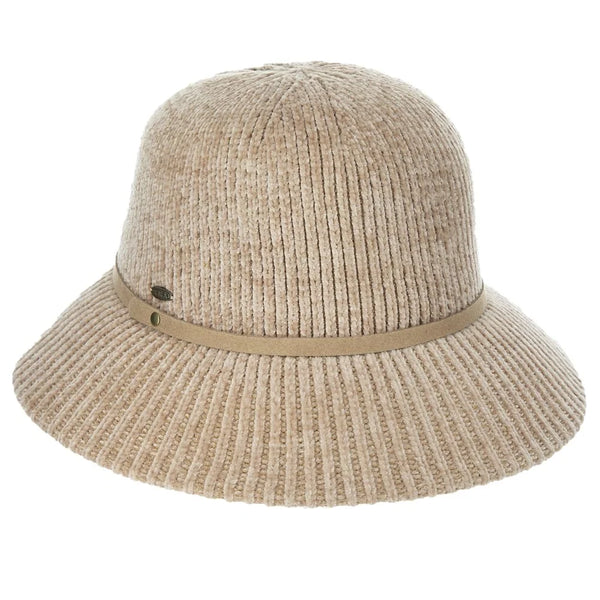
Scala Jasmine Knit Cloche Hat
$39.99
Abstract Ribbed Trim Mock Neck Sweater
$20.35
Bow Tie Ribbed Trim Drop Shoulder Sweater
$22.70
Waffle Knit Patchwork Button-Up Shirt
$23.60
Solid Ribbed Patchwork Pocketed Sweatshirt Dress
$28.23
Stripe Ribbed Trim Drop Shoulder Sweater in Orange
$25.52Read next
More from On the Road
Six A.M. at the Two-Lane Diner
Before first light the gravel lot fills with ranch trucks, the coffee arrives without being asked, and the only stranger at the counter is the one the waitress doesn't know.

The Pass Closes in October
For five months the only road out is snowed in, and a mountain community learns what it means to be entirely on its own.

The First Hour of Open Road
A thermos filled the night before, a truck leaving before light, and the first hour of open road as the sky goes gray and then pink behind it.