

Snow on a Mountain Pass in May
The warning sign at the bottom, the chains behind the seat, the plow coming down, and the decision at the top.
The yellow diamond at the foot of the pass has a black tire on it, and a black chain across the tire. The sign is metal, its edges rolled, and the yellow has faded on the face that takes the afternoon sun. It stands in gravel where the level road gives out and the mountain road begins, and the plow's sand has melted a dark ring around the post. The post leans a little, where the plow has clipped it in other winters, and snow is banked against it, gray and gritty, the color snow gets in May. Down on the valley floor the grass is green and the orchard rows are mown, but no one has taken the sign down.
Beside the pullout, under the first trees, a pile of sand is still there from the winter, its peak blunted by rain. The snow around its base has melted in a circle. The sand pile is the same color as the ring around the signpost.
A pickup idles in the pullout, headlights on. Behind the seat, in a galvanized box, are two cable chains, still in the cardboard sleeve from the auto supply store. The sleeve has a picture of a mountain road on it, and the picture is faded. The chains are stiff, holding the shape they were coiled into at the factory, and they have not been out of the box all season. The box is latched, and the lid has a scratch along its edge where something else in the cab has rubbed it.
In the gravel there are loops of tire tracks where trucks have come up to the sign, stopped, and turned around. The new snow has softened the loops, but they are still there, and the pickup's own tracks are the newest ones. The driver looks at the sign, then at the mountain. The sign does not change. The mountain does, and the snow is coming down up there, and the road goes up into it.
The climb
The road leaves the valley floor and climbs into the Sierra, and the sound of the valley drops away — the sprinklers in the orchards, the trucks on the county road. At the first switchback the blacktop is wet, flecked with white. At the next one there is snow on the shoulder. Then the snow is under the trees, and then it is over everything, and the road is a cut between two walls of it.
The air from the vent has gone cold, and the road noise has changed from the dry hum of blacktop to the wet hiss of snow. The driver sits forward, both hands on the wheel, and keeps the truck in the ruts. He does not touch the radio.

The road has been plowed. Two black ruts run through the white with a strip of ice between them, and the strip is high enough to catch the frame; the truck crosses it with a steady drag. The new snow is heavy and wet; it lands on the hood and stays. Up here there is nowhere to stop — the road is one lane between snowbanks, and the turnouts are full of snow. The driver keeps going, and the chain box stays closed behind the seat.
The pines along the road hold the snow in their branches, and the branches have bent low with it. The pines on the uphill side are cut flat at the level of the plow blade. The cut branches are clean and pale, the color of new wood. Over the ditch on the downhill side, the snow has built a lip that hangs out over the running water. The water in the ditch is the loudest thing on the mountain. The valley behind the truck has gone pale and distant, and the orchard rows are thin green lines.
The plow
At one of the upper curves, two headlights show through the falling snow, small and yellow, coming down. The driver pulls over to the right, as far as the snowbank lets him, and the plow comes by.
It is a county plow, orange, with a beacon turning on the cab. The beacon turns and throws its light in a slow circle across the snowbanks. The blade is worn bright along the bottom edge, and tire chains tick against the pavement as it passes. For a moment the headlights light up the falling snow all around the truck, and then the plow is level with the cab, and then it is past. The diesel note drops as it goes around the switchback, its exhaust hangs in the snow, and the driver watches the taillights go around the curve below until the sound fades too.
The road behind it is bare and black and wet, freshly scraped, and the snowbank it has left along the edge is cut as straight as a wall. Fresh flakes begin to fleck the black road white. The driver pulls back out and follows the road up, with the plow's wide tracks going on down the mountain below him.

The top
The walls of snow grow taller as the road climbs, until the truck runs through a canyon of white with a strip of gray sky overhead. In places the cut is so deep the snow stands above the mirrors, and the blade's scrape marks run in rows down the face of it. The face of the snow is crusted where it has thawed and refrozen. Then the canyon opens into a clearing scraped out of the snow, and the road goes over the edge and down the other side, a single dark line. This is the top.
A car is parked at the edge, its windows fogged. A man in a canvas coat stands at the very edge, hands in his pockets, looking down. He does not move when the driver pulls in. His footprints run from the car to the edge, and they end there. The snow is settling on his shoulders and on the roof of the car.
The driver shuts off the engine and steps out. The engine ticks as it cools, then quiets, and the snow falls without wind and without sound. Down the other side the road drops out of sight into the trees, and beyond the trees there is the high desert, dry and far, running out to the horizon. There is no plow coming up the road and no truck going down; the snow on the hood begins to pile against the wipers.
The driver stands at the edge a moment, looks down, then looks back at the road he came up. His footprints go out to the edge and come back to the truck, dark in the white.
The box
He opens the door, reaches behind the seat, and unlatches the galvanized box. The cable chains are there, and beside them a pair of work gloves and a folded rag. He takes one chain out. It is heavier than it looks, cold, and stiff, holding the coil's shape in his hand. The metal smells of the box.

There is room in the clearing to put the chains on — the ground is level, and the plow has scraped it bare. Below, the road is narrow and the turnouts are filled with snow, and a truck stopped there has nowhere to go but the way it came.
He looks at the chain, then down the other side. On the way down, the weight of the truck does the work, and the cables would be what the tires hold on to. Then he looks back at the road he came up, which runs down through the trees to the valley. He puts the chain back in the box, beside the gloves and the rag, and the latch clicks.
Turn around
He gets in and starts the truck. He turns around in the wide place, back and forth, careful of the edge. The man in the canvas coat is still at the edge, hands in his pockets, looking down.
The truck faces the way it came. The road down is the same road reversed, the curves arriving differently. The ruts he made on the way up have gone soft in the new snow, and the walls of snow at the roadside grow shorter with each bend. Then the trees come back, the blacktop turns wet, and the truck runs out of the snow. In the mirror the pass stays in view for a while, a notch of white between the trees, and then the road turns and it is gone.
Below the snowline the road is only wet, and the sun is out over the valley. The windshield steams with the change of air, and the wipers leave bright arcs that dry at once. He passes the sign at the bottom, seeing its back — the bare plate and the post, nothing of the tire or the chain.
The road runs level, and the valley opens out green. Behind the seat, the box stays latched. The road stays level for a long time after the sign, and up on the pass the snow goes on falling.
From the shop
Picked for this story
Checker Patchwork Quilted Buttoned Zip Up Vest
$30.08
Stripe Geometric Button-Up Sweater Cardigan
$25.67
Minnetonka Chandra Boots
$108.45
Western Snaffle Bit Silver Easy-Clasp Bracelet
$18.99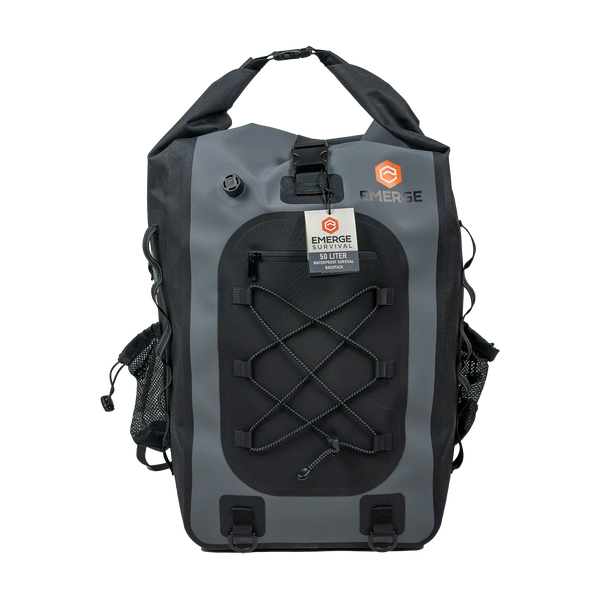
The Ghost Dry Bag
$94.99
Cowboys Club Cowboy & Horse Embroidered Patch Mesh Cap
$32.99
Ace of Spades Western Faux Turquoise Earrings
$12.99
Western Desert Bloom Cluster Adjustable Faux Turquoise Ring
$17.99Read next
More from On the Road
The Best Part of a Road Trip Is the Drive Home
The return leg is where a trip across the West settles into memory — and where the holiday slips away.

Following the River Down
From a cold spring in the willows to the wide water of the basin: a day following the river downstream.

The Load Goes In the Night Before
Before a long trip across the West, the loading is done in the dark of the driveway, and the strap is what the whole run depends on.