

The Picnic Blanket in the Trunk
It rides in the trunk all year, comes out in May when the ground dries, and goes back in carrying sand and grass.
The picnic blanket in the trunk of the car is folded into a square the width of a car door, red-and-white plaid gone pink at the creases. The spare tire holds it flat against the wheel well, and the jack handle has worn a small shiny patch in one corner of the fabric. The corner beside that patch is singed black, stiff and glossy, where a grill was set down too close. The edge opposite the singe is stained pale green in a half-circle that has dried into a line.
It is a cotton blanket, woven tightly when it was new and now softened at every fold. The plaid is a pattern of uneven squares, and the white squares have gone grey with dust. The binding along one edge has come loose for about an inch; the loose threads catch on the trunk carpet when the blanket is pulled out. One corner is thin enough to see light through at the fold. The blanket is light enough to be lifted with one hand, but spread out it covers its own patch of ground.

It comes out in May. The ground has dried enough by then that the blanket can be spread on grass without the underside coming up wet. Someone takes it by two corners and opens it in the air; the air fills it, a red-and-white shape that blocks the sun for a second, and then the blanket settles. It does not lie flat at once. The creases from the trunk open slowly, and the corners have to be weighted down—one with a shoe, another with a cooler.
In May the trips are short, but the blanket is unfolded and folded again more times than in any other month. Every use leaves a trace. Sand from a beach works out of the weave for weeks, a few grains at a time, and collects in the floor mat. A thin brown line of rust runs across one corner. A pine needle is worked into one hem. The singed corner has gone hard; it does not bend with the rest of the blanket, and it leaves a gap when the blanket is folded. Damp ground has darkened the edge that always goes down.

Some stains are only in the dye, some are in the cotton itself. The rust line has gone all the way through, so it shows on both sides. The grass stain is in the outer layer only; it has faded to the colour of old hay. The sand does not stain anything, but it is always there, between the threads, no matter how the blanket is shaken.
The middle of the blanket is the cleanest part. The wear is along the edges, where hands and ground meet it. One long edge has a grass stain that follows the seam, and the opposite edge is grey with road dust from lying beside the spare tire. The blanket has been spread on creek banks, on ballfields, on gravel pullouts, on a beach where the wind turned the corners up. The dye has worn thin in the middle of the plaid squares, but the lines between them are still strong.

When the afternoon ends, the blanket is folded along the same lines the trunk has made, because the fabric bends easiest there. It is put back in the trunk with a little more sand in it than it had at the start. The fringe of unravelled threads at the hem flicks against the wheel well when the car turns.
From the shop
Picked for this story
Art of Loving Bow Detail Floral Dress
$52.00
Day Out Cloud Tote Bag in Cream
$18.00
Fray Edge Straw Bucket Hat
$20.99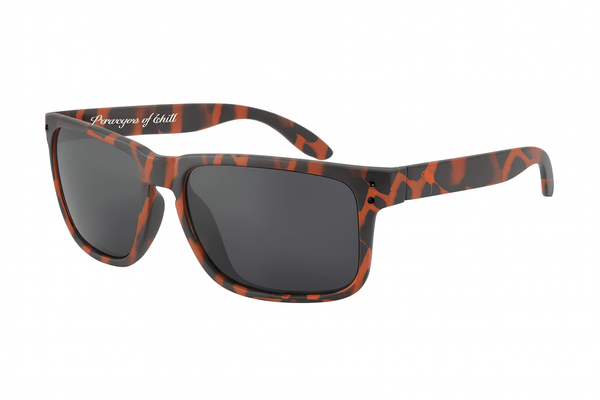
Livin' Life Sunglasses
$49.99
Ruffle Trim Long Sleeve Wrap Dress
$27.00
My Darling Valentina Front Tie Blouse
$38.00
Blockbuster Color Block Pullover in Bright
$39.00
Butter Soft Pants in Slate Blue
$49.00Read next
More from Moments
The Last Saturday of May
A rented tent, photo boards on easels, a sheet cake with her name on it, and the graduate who left before it was cut.

The Tuesday Picnic
By late May the best picnic is the one nobody plans and everyone has to go to work the next morning — until the weekend makes its case.

The First Cookout of the Year
May's first cookout is a gamble against the weather, a ritual of charcoal, damp air, and the season's earliest smoke.