

The Last Saturday of May
A rented tent, photo boards on easels, a sheet cake with her name on it, and the graduate who left before it was cut.
The rented tent went up on the last Saturday of May, before the guests arrived.
The crew was two men and a boy. They spread the white vinyl out on the grass and fed the poles through the sleeves, and the boy hammered in the stakes with a mallet while the men cranked the legs until the roof snapped tight. Then they drove off, and the yard was suddenly a place with a roof on it. The yard smelled like canvas and cut grass. I stood at the kitchen window with my coffee and watched the truck turn at the corner.
The tent
Ruth came over at ten with the photo boards. She is my sister, and she had been in charge of the party from the start — the invitations, the guest list, the list of who got a chair and who got a table. She had covered the tri-fold boards in blue paper and pinned the photographs in rows: the first day of school, the haircut I gave her in kindergarten, the third-grade class picture with the one front tooth missing, the prom. Laura came out barefoot to look. She stood a long time in front of the first board, and then she said, “Mom, you cannot keep that hospital picture in.” I said the hospital picture was the point. She said the point was her face. She went back in to put shoes on.
My mother’s sisters arrived at eleven, the first guests. They came through the gate carrying one folding chair each and a card. They set up at the far end of the yard, under the oak, and they stood in front of the photo boards before they sat down. The older one looked a long time, the way she looked at everything, and then she said, “There she is,” as if Laura had been lost and the boards had found her. Then they sat in the shade with their ankles crossed and talked about the neighbor’s roof.
By noon the yard was full. It was the first real heat of the year, the kind that dries the grass by midafternoon. Her father ran the grill. Ruth set out the punch and the platters of strawberries on the long table under the tent, and the neighbors came over the fence. One of Laura’s teachers came with her husband, which surprised me. Laura moved through the crowd with a plate of strawberries, wearing the pale blue dress we had found in April and the white sneakers she had worn all year. She looked, for the first time that spring, like a guest at her own party.
Her friends arrived at one, a whole group of them. They came up the driveway in a loose line, talking over one another, and the yard got louder all at once. They stood in a close circle by the fence. A boy carried a box with a balloon tied to it. Laura went over, and the circle opened to let her in.

The cake
At a quarter to two I noticed she wasn’t in the tent. I went into the kitchen for more ice, and there was her phone on the counter, plugged in, and the cake still in its box. I asked her father, and he said he had seen the whole bunch of them head up the street. Ruth said not to worry, she would come back for the cake. Ruth is right about that kind of thing almost always. This time she wasn’t.
The cake was cut at two o’clock, and Laura was not there.
We waited a little first. Ruth carried the sheet cake out and set it on the table — the blue cap drawn in frosting, Laura’s name in script beneath it — and someone called her name, and then we waited. Her father said to go ahead, so I cut the first slice myself and set it on a paper plate and put it aside before anyone else could reach in. The aunts came over from the oak and took their pieces and said the frosting was good. The older one said she remembered the week Laura was born. The children stood in a patient line. The rest of the afternoon had that shape to it — people eating cake off paper plates and standing in the shade of the tent, talking in lower voices than before.

By five the guests were gone. Ruth and I folded the chairs and stacked them by the gate for the tent man to take back. We left the photo boards standing on their easels, all those rows of Laura, in the empty yard.
Laura came home in the long light of the early evening, alone, through the gate. She stood in the middle of the yard and looked at the stripped cake table. “Did you cut the cake without me?” she said. I said we did. She went into the kitchen, and I heard the refrigerator open, and she came out eating the corner piece I had wrapped in foil, standing on the grass in her white sneakers. “You saved me the corner,” she said. That was all. We stood there in the tent while the light left the grass. Then she handed me the ball of foil and went inside to find her phone.
The tent stayed up overnight. The man came for it in the morning, and the grass where it had stood was darker, pressed down in one neat rectangle. On Monday the peonies beside the house had opened.
From the shop
Picked for this story
Lizzy Sunday Abstract Floral Dress
$48.00
Midnight Flamingo Dress
$36.00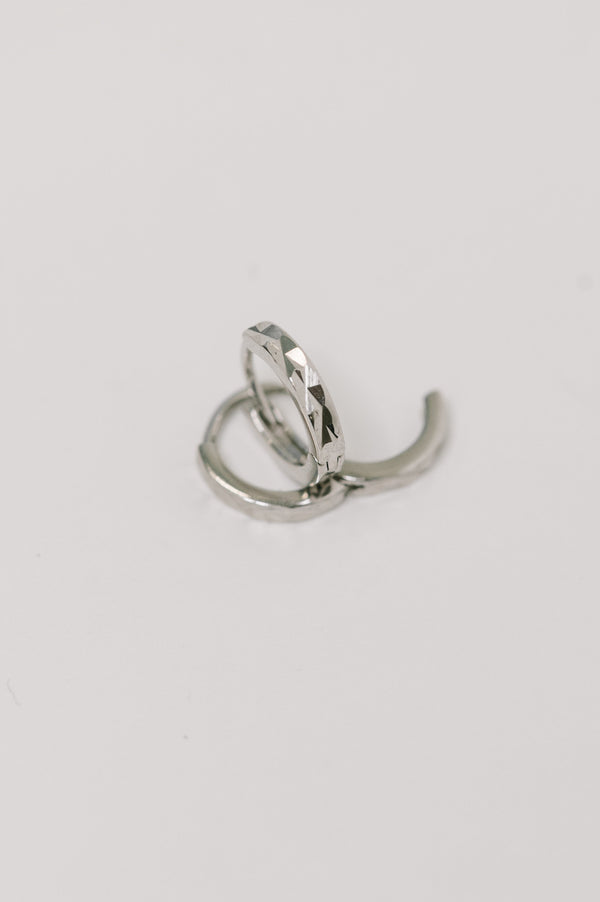
Any Reason Hammered Sterling Silver Earrings
$16.00
Essentially Everything Round Mini Crossbody Bag
$26.00
Good Days Ahead Lace Kimono
$27.99
Sandstone Spring Romper
$38.00
Just Pray Texas Strong Graphic Tee
$32.00
Santorini Stroll Dress
$58.00Read next
More from Moments
The Tuesday Picnic
By late May the best picnic is the one nobody plans and everyone has to go to work the next morning — until the weekend makes its case.

The First Cookout of the Year
May's first cookout is a gamble against the weather, a ritual of charcoal, damp air, and the season's earliest smoke.

The first wash of spring
Wiping the line, pinning the sheets, hanging the shirts by the hem — the spring wash is done in the few clear hours between April rains.