

The Straw Hat on the Nail
Each July the straw hat comes down from the nail by the porch door, and the work shows in the dark band and the bent brim.
The straw hat hangs on a nail by the porch door, band-side to the wall. The straw is pale gold where the sun has bleached it, but the band is a deeper brown, a ring of sweat that has soaked in and dried so many times that the straw there has gone dark as leather. The brim is bent down on one side, folded by a hip or a knee, the way a man sits on a hat when he stops in the shade of the tractor at noon.
It is July, and the hat comes down in the morning, before the dew is off the bean rows. The man who takes it down holds it by the crown and turns it in his hands, checking the weave where the straw has begun to fray along the edge. Then he sets it on his head, and the band finds the groove it has worn in his forehead, a pale line above his eyes. He works the rows with a hoe, cutting the pigweed and the purslane, and the sweat starts at his temples and moves into the band, darkening the straw in a fresh ring.

By midmorning the hat is off again, hooked on a fence post while he drinks from a jar of water. By noon it is on the truck seat, and once or twice in a July it gets sat on when he forgets to move it. That is how the brim came to be bent: not shaped by hand, but given by the weight of a man who sat down on it and felt the straw give, and did not get up to fix it.

The hat is not the good hat. The good hat hangs in the closet with a woven band, brought out for church or town. This one has a faded ribbon and a rusted buckle that does nothing. The straw is brittle along the front crease. A tear at the crown has been mended with a scrap of adhesive tape, and the tape has yellowed and now holds itself to the straw as much as it holds the straw together.

The work changes as July moves. Early in the month it is the okra, the tomatoes, the squash, the melons ripening in the sun. The hat is worn low over the eyes to keep the neck clear. In the middle weeks it comes off more often, held against the chest while the man stands at the edge of a field and looks at the sky. The band is darkest in those days, when the air is still and the heat comes off the ground in waves and the hat is soaked through by ten o'clock. The sweat drips from the brim onto the row, dark specks on the dry soil. Late in the month, the hay is cut and baled. The hat stays on then, even in the loft, where the dust sifts down and settles in the weave. The man takes it off at the barn door and slaps it against his thigh, and a small cloud of chaff hangs in the air, and the hat goes back on the nail by the porch door.
The nail is driven into the doorframe at a slight upward angle, so the hat rests on the head of the nail, the crown rising, the bent brim tilting toward the path. On a hot afternoon the sweat runs down the back of the band and gathers at the bottom edge in a single drop. The drop swells, hangs, and falls to the threshold. The straw under the band darkens, and the dark ring spreads outward through the weave.
From the shop
Picked for this story
Fray Edge Ribbon Accent Panama Hat
$23.99
Oceanfront Stroll Button Henley
$42.00
Dawn Mid Rise Ankle Straight Jeans with Bandana Loop
$79.00
Making Moves Relaxed Tank
$29.00
Basic Babe Ball Cap in White
$8.95
Magical Mystery Striped Tee
$28.00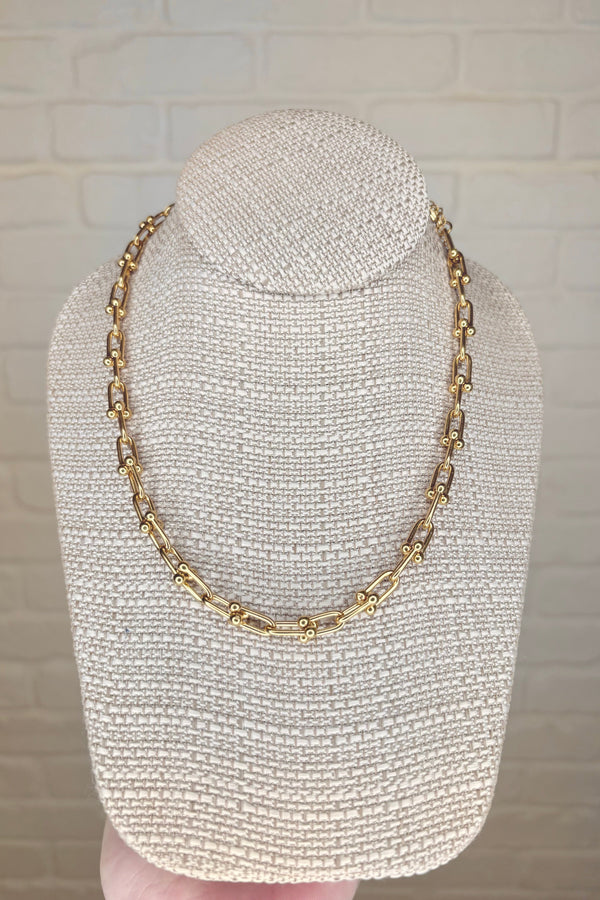
Closest Link Necklace
$22.00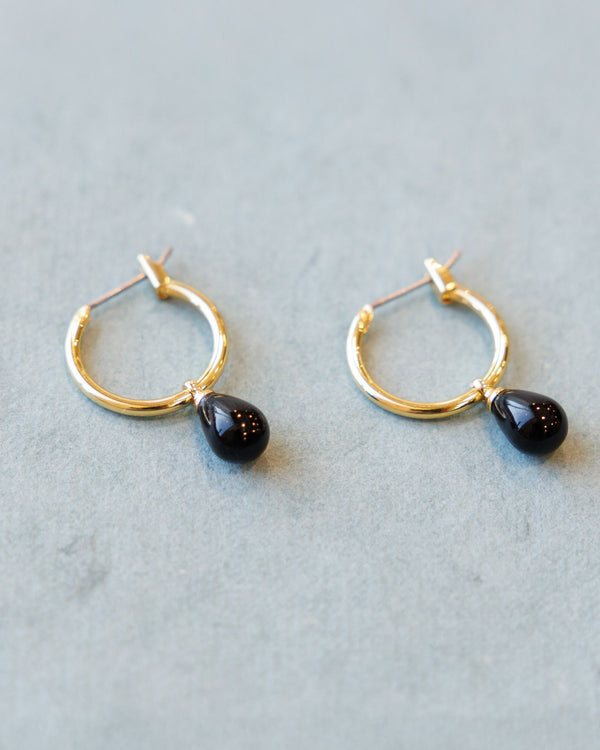
Hoop And Charm Earrings
$18.00Read next
More from Moments
Packing the Cooler for the Lake
The July cooler gets packed in a strict order: ice on the bottom, drinks under the food, the sandwiches above the waterline.

The Fourth, From Folding Chair to Taillights
One night in July, the ballfield turns into a room with no walls, and everyone waits for the sky to go dark.

A July Lived in Linen
Three shirts, two pairs of trousers, and the unhurried pleasure of a month that asks for nothing harder.